What you need to know to do Keto right
By: Kerry Foreman, Owner and Founder of Muskoka Mornings®
What is Keto?
Keto is a very popular dietary lifestyle for many who are focused on managing their weight, getting lean or reducing inflammation. In general, a keto diet puts the emphasis on protein and fat consumption, and for the most part, leaves out sugar and carbs (thus catching the attention of many diabetics!). The breakdown of a keto followers’ daily caloric intake is about 75% from dietary fats, 20% from protein and the addition of very few net carbs. Following this diet puts your body into ketosis, a metabolic state where you burn fat, not carbs, for fuel.
If you are joining the keto lifestyle, you know that there are many ways to go about achieving ketosis (Dr. Joseph Mercola’s book Fat for Fuel goes into great detail about how this works). One crucial point we would like to share is the difference between clean keto and dirty keto. Many people fail to realize that there is a difference between the two and that by practicing dirty keto, they may have a harder time meeting their goals and may also face some major health concerns.
Dirty Keto
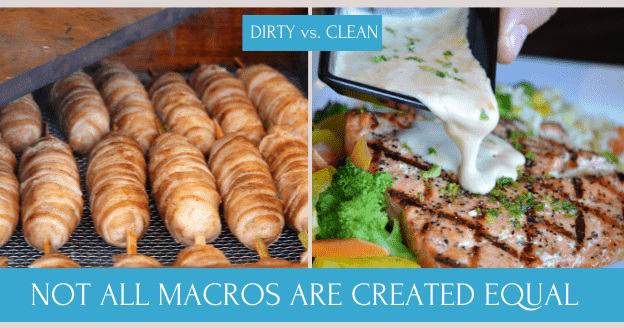
For dirty keto followers, the macronutrients consumed can come from anywhere, including processed foods (such as artificial sweeteners or processed oils). The focus is not on the quality of food consumed, but rather about getting dietary fats and protein any way you can. Some individuals practicing dirty keto allow themselves to eat fast food and diet soft drinks. Although these technically fit into the dietary plan, they usually contain bad oils, artificial sweeteners and unknown ingredients.
Consider this: a bunless double cheeseburger from McDonald’s would probably fit into your keto macros (as it has 21 grams of fat and only 3 grams of net carbs), but the meat is factory-farmed, and likely to contain antibiotics, hormones, and steroids. Factory-farmed meat is also not as nutrient dense as grass-fed beef and the processed cheese on the burger contains added colours, so, while you are probably consuming the right amount of macros for the day, you’re also consuming unknown food additives and thus not achieving optimal nutritional benefits or micronutrients, which may impact your health over time.
Some more dirty keto foods to steer clear from include saturated fats and trans fats. Saturated fats can be found in animal-based foods, such as processed meats, whole-fat dairy foods, butter and packaged ‘keto’ desserts. Manufacturers make these fats through a process called hydrogenation because it helps these packaged goods stay fresh on the shelves for longer. However, trans fats raise LDL (bad) cholesterol and lower HDL (good) cholesterol, which could increase your risk of heart disease.
Clean Keto
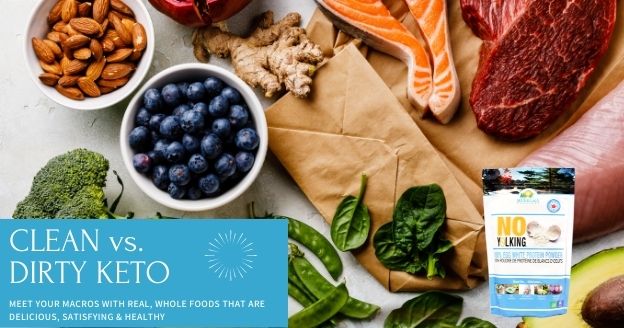
Clean keto emphasizes the importance of eating clean, organic ingredients to ensure successful weight management while reducing inflammation. Although clean keto is usually more time consuming, the results are a lot more effective.
When following a clean keto diet, some good fats to incorporate are monounsaturated fats and polyunsaturated fats. Monounsaturated fats are found in natural foods and oils such as olive, peanut and canola oils, almonds, pecans, pumpkin seeds and sesame seeds. Polyunsaturated fats are found in organic foods such as salmon, mackerel, tuna, walnuts, peanuts, flaxseeds, sunflower seeds, chia seeds, sunflower, canola, soybean and flaxseed oils. Incorporating these healthy and organic fats into your keto diet will keep you feeling your best and significantly help you achieve the results you are working toward.
The best way to begin a clean keto diet is to start slowly and make easy swaps. Start off by switching butter, lard or bacon grease for liquid vegetable oils like olive, canola, or sunflower oils for cooking. Also look at your protein sources: swap processed, high-in-saturated-fat meats to grass-fed beef, chicken, salmon, tuna, eggs, full-fat Greek yogurt, and a clean protein powder such as our No Yolking™ 100% Egg White Protein Powder. Another great option is to incorporate flaxseeds or chia seeds as crunchy topping for salads, oatmeal or fresh fruit. Simple changes like this are an easy way to start and an excellent way to get yourself used to the taste of plant-based foods.
Clean Keto Recipes
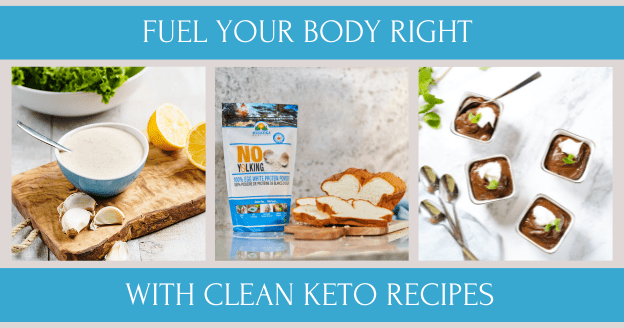
Our website is full of clean keto recipes that are carb-free, and protein-packed thanks to No Yolking™ 100% Egg White Protein Powder.
While traditional bread is a no-go for keto followers, you must try our easy No Yolking™ Egg White Bread or No Yolking Egg White Protein Buns. They use all real ingredients and come together in only 25 minutes! Pair them with any protein for a complete meal.
For an easy but satisfying lunch, make a simple salad and top it with our creamy Greek Salad Dressing. This dressing only takes ten minutes to make and is packed with nutritious, clean ingredients, plus tons of protein.
You can even enjoy desserts on a clean keto diet. Try our Chocolate-Mint Avocado Mousse made with ripe avocados, Swerve and cocoa powder. This dish only tastes like a treat, it’s actually packed with nutrients and loaded with protein, fiber and good fats, which will leave you feeling full long after your meal.